Physical Address
8206 Louisiana Blvd NE, Suite A N03815
Albuquerque, NM 87113
United States
Physical Address
8206 Louisiana Blvd NE, Suite A N03815
Albuquerque, NM 87113
United States

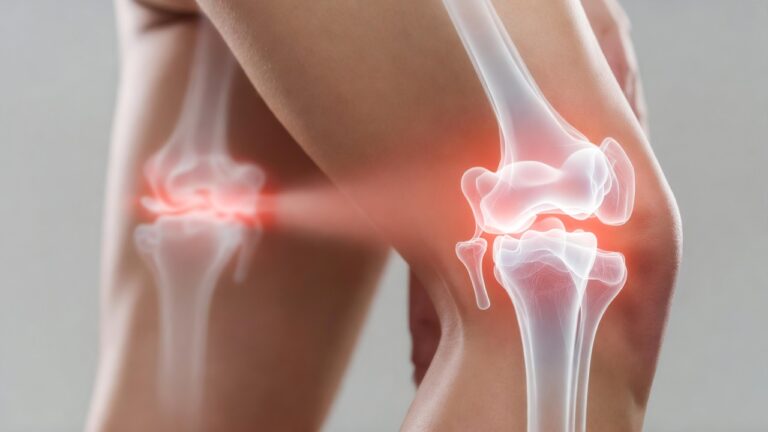
Your joints are swollen, hot, or stiff in the morning. Your doctor says it's inflammation, hands you a prescription, and sends you on your way with minimal explanation. That's frustrating, because "inflammation" gets thrown around constantly but rarely explained in a way that actually helps. I'm going to break down what's actually happening inside your body, why it happens, how to recognize different types, and what works to manage it beyond just popping ibuprofen every day. Not vague advice about reducing stress—we're going deeper. By the end of this, you'll understand inflammation well enough to make better decisions about your own joints.
Your joints are swollen. Or hot. Or stiff in the morning. Maybe all three. Your doctor says it’s inflammation, hands you a prescription for an NSAID, and sends you on your way with minimal explanation.
That’s frustrating, because “inflammation” gets thrown around constantly but rarely explained in a way that actually helps you understand what’s happening inside your body and what you can do about it.
I’m going to break down joint inflammation in a way that makes sense—what’s actually happening at a tissue level, why it happens, how to recognize different types, and what works to manage it beyond just popping ibuprofen every day. Not because medications don’t have their place, but because relying solely on them long-term comes with costs that aren’t always worth paying.
This isn’t going to be a listicle of “top 10 anti-inflammatory foods” or vague advice about reducing stress. We’re going deeper than that. By the end of this, you’ll understand inflammation well enough to make better decisions about your own joints.
Let’s start with the basics, but the version that’s actually useful.
Inflammation is your immune system’s response to perceived threats—injury, infection, irritation, damage. When something triggers this response, your body releases chemical messengers that cause blood vessels to dilate, increase blood flow to the area, and make vessel walls more permeable so immune cells and healing compounds can flood in.
This is why inflamed areas get red, warm, and swollen. More blood flow equals more heat and redness. Increased permeability means fluid leaks into surrounding tissues, causing swelling. The whole process is designed to isolate the problem, bring in reinforcements, and start repairs.
Acute inflammation—the kind you get when you sprain your ankle or cut your finger—is your friend. It’s working exactly as designed, and once the threat is resolved, it shuts off. You heal, inflammation goes away, everything returns to normal.
Chronic inflammation is different. It’s when the inflammatory response doesn’t shut off properly. Maybe because the initial trigger never fully resolves, maybe because your immune system is malfunctioning and attacking your own tissues, maybe because ongoing lifestyle factors keep re-triggering it. Whatever the reason, you end up with persistent, low-grade inflammation that damages the very tissues it’s supposed to protect.
This is where joint problems come in. Chronic inflammation in and around joints breaks down cartilage, damages the synovial membrane that lines the joint, degrades ligaments and tendons, and creates a feedback loop where inflammation causes damage that causes more inflammation.
Understanding this distinction—acute versus chronic, helpful versus destructive—is critical because the way you manage them is different.
There’s no single reason joints become inflamed. Multiple triggers exist, and often several are operating simultaneously.
Autoimmune conditions are probably the clearest case. In rheumatoid arthritis, your immune system mistakes the synovial membrane lining your joints for a threat and attacks it. The resulting inflammation is severe, persistent, and destructive. Similar mechanisms drive psoriatic arthritis, ankylosing spondylitis, and other inflammatory arthritis conditions.
Osteoarthritis is more complicated. For years, it was thought of as purely “wear and tear” arthritis—mechanical breakdown of cartilage with no inflammatory component. We now know that’s not true. Inflammation plays a significant role in osteoarthritis, both as a consequence of cartilage damage and as a driver of further degradation. It’s not as dramatic as rheumatoid arthritis, but it’s real and it matters.
Injury triggers acute inflammation that sometimes doesn’t fully resolve. You tear a meniscus, sprain a ligament, or damage cartilage. The initial inflammatory response is appropriate, but if the tissue doesn’t heal completely or if you keep re-injuring it, low-grade inflammation can persist for months or years.
Overuse and repetitive stress can cause chronic inflammation even without obvious injury. Think of a runner whose knees are constantly dealing with impact forces, or someone whose job involves repetitive movements that stress certain joints. Over time, the cumulative microtrauma triggers inflammatory responses that don’t have time to fully settle before the next bout of stress happens.
Metabolic factors contribute more than most people realize. Obesity, for example, isn’t just about extra weight stressing joints mechanically. Fat tissue—especially visceral fat—produces inflammatory compounds called cytokines that circulate throughout your body and contribute to systemic inflammation. This is why losing weight often reduces joint pain beyond what you’d expect from just reduced mechanical load.
Diet influences inflammation through multiple pathways. Highly processed foods, excess sugar, certain vegetable oils high in omega-6 fatty acids—these can promote inflammatory processes. On the flip side, omega-3 fatty acids, polyphenols from plants, and certain micronutrients have anti-inflammatory effects.
Gut health is increasingly recognized as relevant. The gut microbiome influences systemic inflammation through complex mechanisms we’re still figuring out. An unhealthy gut can contribute to inflammatory conditions throughout the body, including joints.
Stress and sleep matter too. Chronic psychological stress elevates cortisol and other hormones that affect inflammation. Poor sleep disrupts immune function and inflammatory regulation. These aren’t woo-woo factors—they’re measurable, physiological effects.
Most people with chronic joint inflammation have multiple contributing factors, not just one. That’s why single-factor solutions often disappoint.
Not all joint pain involves significant inflammation, and not all inflammation looks the same.
Classic inflammatory signs are heat, redness, swelling, and pain. If your joint is visibly swollen, warm to the touch, and maybe a bit red, inflammation is definitely involved. Morning stiffness that improves with movement is another telltale sign—the inflammatory fluid and compounds that accumulated overnight get cleared out as you move around.
Inflammatory arthritis typically causes symmetrical symptoms—both knees, both hands, both wrists. It often affects smaller joints like fingers and toes. You might have systemic symptoms too—fatigue, low-grade fever, general malaise. Blood tests will show elevated inflammatory markers like CRP or ESR.
Osteoarthritis inflammation tends to be more localized and less dramatic. One knee might be affected more than the other. Swelling might be mild and intermittent. Pain often worsens with use and improves with rest—the opposite pattern from inflammatory arthritis.
Acute injury inflammation is obvious—sudden onset, clear cause, dramatic swelling. You know exactly when it started and why.
Chronic low-grade inflammation is trickier. Joints might feel stiff or achy without obvious swelling. Symptoms fluctuate. You can’t point to a specific cause or onset. This is the kind that people often live with for years before seeking help.
Understanding what type of inflammation you’re dealing with informs how you approach treatment. Aggressive autoimmune inflammation needs different management than low-grade osteoarthritis inflammation.
NSAIDs like ibuprofen and naproxen work. They block inflammatory pathways, reduce pain, and decrease swelling. For acute inflammation or short-term use, they’re often the right tool.
But long-term daily NSAID use carries real risks. Stomach ulcers and bleeding. Kidney damage. Cardiovascular problems. Interference with cartilage repair. These aren’t theoretical—they happen, and the longer you use NSAIDs, the higher the risk.
This is why I’m interested in natural approaches. Not because “natural equals better” as some blanket rule, but because the risk-benefit calculation is often more favorable for long-term management of chronic inflammation.
Let’s talk about what actually works, not wishful thinking.
Omega-3 fatty acids have solid evidence for reducing inflammation. EPA and DHA from fish oil compete with omega-6 fatty acids in inflammatory pathways, effectively dampening the production of inflammatory compounds. Studies in rheumatoid arthritis show that high-dose omega-3s can reduce pain, stiffness, and NSAID requirements.
The dose matters. You need at least 2,000-3,000 mg of combined EPA and DHA daily for anti-inflammatory effects. That’s more than most people get from diet alone, which is why supplementation makes sense. Quality matters too—molecularly distilled fish oil to remove contaminants, fresh product that doesn’t smell rancid.
Curcumin we’ve covered before, but it’s worth repeating: properly absorbed curcumin has legitimate anti-inflammatory effects through multiple pathways. It’s not as strong as prescription anti-inflammatories, but for many people with chronic joint inflammation, it provides meaningful relief with minimal side effects.
Ginger is another one with actual research support. Gingerols and shogaols interfere with inflammatory pathways similar to NSAIDs but through different mechanisms. Studies show benefits for osteoarthritis pain. Doses of 500 mg of concentrated extract twice daily seem to be effective.
Boswellia (Indian frankincense) inhibits 5-LOX enzymes that produce inflammatory leukotrienes. Clinical trials show it can reduce pain and improve function in knee osteoarthritis. It’s less well-known than curcumin or omega-3s, but the research supporting it is solid.
These aren’t miracle cures. They’re tools that work through understood mechanisms and have demonstrated effectiveness in research. For mild to moderate chronic inflammation, they can be genuinely helpful, either alone or in combination.
I’m going to be blunt: most anti-inflammatory diet advice is either obvious or overstated.
Yes, eating more vegetables and less processed junk is good for inflammation. You know this already. You don’t need me to tell you that sugar-laden processed foods aren’t helping your joints.
What’s more useful is understanding specific patterns and principles that make a real difference.
Omega-3 to omega-6 ratio actually matters. Modern Western diets are heavy in omega-6 fatty acids from vegetable oils (soybean, corn, safflower) and light on omega-3s from fish and certain plant sources. This imbalance promotes inflammation. Shifting the ratio—more omega-3s, less omega-6—has measurable anti-inflammatory effects.
Practically speaking: eat fatty fish like salmon, mackerel, or sardines a few times a week. Consider fish oil supplements. Reduce vegetable oil consumption where you can. Use olive oil instead. It’s not about eliminating omega-6s completely—you need some—but about balance.
Mediterranean diet patterns have the most evidence for reducing inflammation. Not because any single food is magic, but because the overall pattern—lots of vegetables, fruits, whole grains, fish, olive oil, moderate wine, minimal processed foods—provides anti-inflammatory compounds while limiting pro-inflammatory factors.
You don’t have to follow it perfectly. Even partial adoption seems to help.
Sugar and refined carbohydrates spike blood sugar and insulin, which can trigger inflammatory responses. High sugar intake is consistently associated with elevated inflammatory markers. Reducing it—not eliminating, just reducing—makes sense.
Polyphenols from colorful vegetables, fruits, tea, coffee, and dark chocolate have anti-inflammatory and antioxidant properties. You don’t need to obsess over specific compounds, just eat a variety of plant foods.
Here’s the thing: diet changes for inflammation aren’t about strict rules or elimination of entire food groups. They’re about shifting patterns over time. More fish, more vegetables, less processed junk, better quality fats. That’s 80% of it.
This seems counterintuitive. Your joints hurt, inflammation is the problem, and I’m telling you to move them?
Yes, because appropriate movement is one of the most powerful anti-inflammatory interventions available.
When you move, your muscles contract and release compounds called myokines that have anti-inflammatory effects. Regular exercise improves circulation, which helps clear inflammatory mediators from tissues. It supports healthy weight, which reduces the inflammatory burden from excess fat tissue. It improves insulin sensitivity, which affects inflammatory pathways.
The key word is “appropriate.” High-impact activities that aggravate inflamed joints aren’t helpful. But low-impact movement that doesn’t stress damaged tissues while activating muscles? That’s gold.
Swimming, cycling, walking, certain forms of strength training—these can all be done in ways that reduce rather than increase joint inflammation. The movement itself becomes therapeutic.
I’ve seen people with chronic knee inflammation get dramatic improvement from a consistent program of gentle cycling and targeted strength exercises. Not because exercise fixed the underlying cause necessarily, but because strong muscles stabilized the joint better, improved mechanics reduced aberrant stress, and the systemic anti-inflammatory effects of regular movement helped calm things down.
This is why rest alone rarely solves chronic joint inflammation. Short-term rest after acute injury? Absolutely. But prolonged rest leads to muscle atrophy, which makes joints less stable, which increases stress on already inflamed tissues. You need movement, just the right kind.
Poor sleep directly impacts inflammation. Studies show that sleep deprivation increases inflammatory markers like IL-6 and CRP. Chronic sleep deficiency appears to dysregulate immune function in ways that promote inflammatory conditions.
If you’re sleeping five or six hours a night and wondering why your joints are constantly inflamed despite doing everything else right, there’s your answer.
Improving sleep isn’t always easy, I get it. But prioritizing it—going to bed earlier, addressing sleep apnea if you have it, creating better sleep conditions—can make a measurable difference in inflammatory joint pain.
Chronic stress elevates cortisol initially, but long-term stress can lead to cortisol dysregulation and increased inflammatory cytokine production. The mind-body connection isn’t mystical—it’s biochemical.
Stress management looks different for everyone. Maybe it’s meditation, maybe it’s therapy, maybe it’s just setting better boundaries and saying no to things. Whatever works for you, it’s worth doing. Not as some optional add-on, but as a core component of managing inflammation.
I want to be clear about something: natural remedies and lifestyle changes are powerful tools for managing mild to moderate chronic inflammation. But they’re not always sufficient.
If you have rheumatoid arthritis or another aggressive autoimmune condition, you probably need disease-modifying medications. Natural approaches can support and complement medical treatment, but they shouldn’t replace it when the inflammation is severe enough to cause irreversible joint damage.
If you’re dealing with acute severe inflammation—a badly sprained ankle, a serious joint infection, post-surgical inflammation—you probably need conventional medical intervention. This isn’t the time to rely solely on turmeric and fish oil.
Natural approaches shine in the space between “perfectly healthy” and “needs aggressive medical intervention.” That’s actually a large space that covers most chronic joint inflammation. But you need to be honest about where you fall on that spectrum.
Blood tests can help. If your inflammatory markers are sky-high, if imaging shows active joint destruction, if your symptoms are severe and progressing despite lifestyle measures, you need medical evaluation and probably medication.
There’s no shame in using NSAIDs when you need them, or stronger medications if inflammation is aggressive. The goal is to use the least intervention necessary to manage symptoms and prevent damage, which means trying natural approaches first for mild cases but escalating appropriately when needed.
If I were dealing with chronic joint inflammation, here’s how I’d approach it:
Start with the foundation—diet, exercise, sleep, stress management. Not because these are easy or sexy, but because they work and they address root causes. Shift toward a more anti-inflammatory eating pattern. Move regularly in ways that don’t aggravate your joints. Prioritize sleep. Find some way to manage stress that actually works for you.
Add targeted supplements. Omega-3s are a no-brainer if you’re not eating fish regularly. Curcumin with proper absorption enhancement is worth trying. Maybe ginger or boswellia if initial interventions aren’t quite enough.
Use NSAIDs strategically. When inflammation flares, when you need to function and pain is limiting you, fine. But as a tool for specific situations, not a daily habit if you can avoid it.
Track what actually helps. Keep notes on pain levels, stiffness, function. See if changes you make correlate with improvements. Sometimes what you think is helping isn’t, and something you didn’t expect makes a real difference.
Give interventions adequate time. Supplements need weeks to show effects. Diet changes take time. Exercise benefits accumulate gradually. Don’t change everything at once and don’t give up after a week.
And if natural approaches aren’t cutting it after a genuine effort—months, not days—see a doctor. Get proper diagnosis if you haven’t already. Discuss medication options. There’s a time for everything, and knowing when to escalate care is as important as knowing when natural measures are sufficient.
Joint inflammation isn’t just about joints. It’s connected to overall health, lifestyle, stress, diet, sleep—everything. The same factors that promote joint inflammation often promote other chronic diseases.
This is actually good news, because it means interventions that help your joints often help other aspects of health too. Losing weight reduces joint inflammation but also improves cardiovascular health and metabolic function. An anti-inflammatory diet helps joints but also reduces disease risk broadly. Regular exercise benefits joints but also mood, cognition, sleep, and nearly everything else.
Viewing joint inflammation in isolation misses the bigger picture. Your body is a system, not a collection of independent parts. When you address inflammation comprehensively—through multiple lifestyle factors and targeted interventions—you’re doing more than managing joint pain. You’re improving overall health trajectory.
That’s the long game worth playing. Not just reducing pain today, but creating conditions where inflammation is less likely to dominate your health for years to come.
Your joints don’t exist in a vacuum. Neither does the inflammation affecting them. The most effective approach recognizes this and acts accordingly.
Note: This is information based on research and experience, not medical advice. If you have significant joint inflammation, autoimmune conditions, or are considering changes to medications, consult with a healthcare provider who can assess your specific situation and provide personalized guidance.