Physical Address
8206 Louisiana Blvd NE, Suite A N03815
Albuquerque, NM 87113
United States
Physical Address
8206 Louisiana Blvd NE, Suite A N03815
Albuquerque, NM 87113
United States

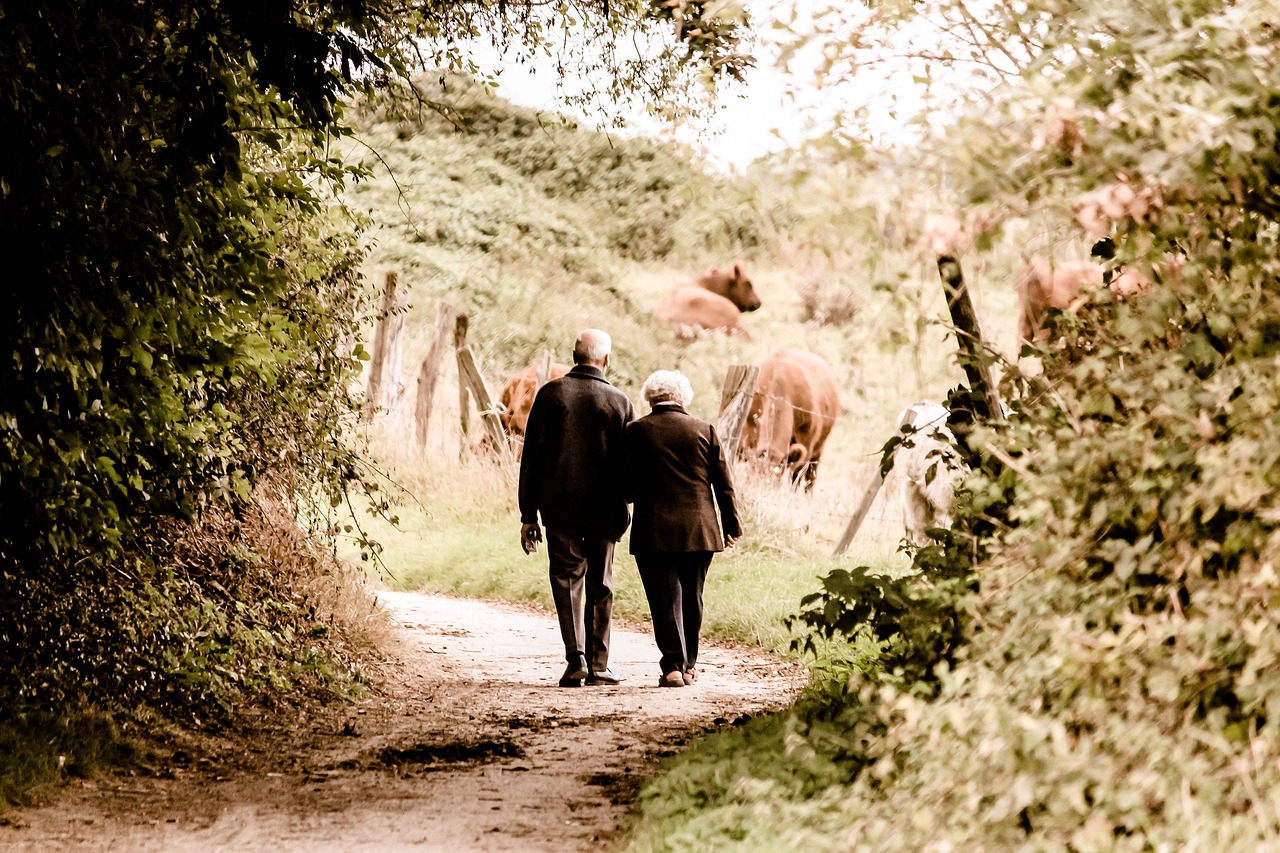
Walking is the best exercise for joint health. Not the most exciting claim, but after thousands of miles and years of testing other approaches, it's the truth. No gear, no gym, just rhythm that pumps synovial fluid through every joint without hammering them. Let me show you why it works and how to do it right.
Think about your last really good walk. Not the forced march to hit some step count, but that hour where your stride settles into rhythm, your hips loosen, and that nagging knee whisper that’s been there all morning just… fades.
I’ve spent years testing movement approaches for joint health—running, cycling, swimming, yoga, strength training, all of it. And after thousands of miles and countless conversations with people managing joint issues, I keep landing on the same conclusion: walking is the single best exercise for long-term joint health.
Not the most exciting answer. Not what the fitness industry wants to sell you. But it’s the truth, backed by both research and real-world results.
Walking doesn’t require equipment, gym memberships, or special skills. It doesn’t beat up your joints the way high-impact activities do. It doesn’t require recovery days. You can do it daily, for life, and your joints will thank you for it.
Let me break down exactly why walking works so well for joints, how to do it right, and why it beats almost every other exercise when your priority is joint health rather than athletic performance.
Your joints need two things to stay healthy: appropriate load and regular movement. Too much load breaks them down. Too little movement and they deteriorate from disuse. Walking hits the sweet spot.
When you walk, every step creates a rhythmic pumping action that circulates synovial fluid through your joints. This fluid lubricates cartilage, delivers nutrients, and removes waste products. It’s like oiling hinges while they’re moving—the motion itself improves function.
Static positions—sitting, standing still—allow synovial fluid to thicken and settle. That’s why your joints feel stiff after sitting for hours or when you first wake up. Movement thins the fluid and redistributes it. Walking does this for every major joint simultaneously: ankles, knees, hips, spine, even shoulders as your arms swing.
Cartilage doesn’t have its own blood supply. It gets nutrients through compression and release as you move—basically squeezing fresh fluid in and old fluid out with each step. This loading and unloading is essential. Research shows that moderate loading actually stimulates cartilage to maintain itself and potentially repair minor damage. Too little load and cartilage atrophies. Too much and it breaks down faster than it can repair.
Walking provides that moderate, repeated loading without excessive impact. Running multiplies the force on your joints—roughly 2-3 times your body weight with each foot strike. Walking keeps forces at or just above body weight, which is enough to be beneficial without being destructive.
I feel this most clearly in my lower back. Sitting at a desk tightens everything into a compressed coil. The first ten minutes of a walk feel stiff and resistant. Then something shifts. The rhythm loosens things progressively. By halfway through a 30-minute walk, that tight feeling has unwound and my back moves freely again. It’s not dramatic—no sudden release or crack—just gradual restoration of normal function.
This isn’t just subjective. Studies measuring inflammatory markers show that regular walking reduces systemic inflammation. It improves circulation, which helps clear inflammatory compounds from tissues. The movement itself seems to have anti-inflammatory effects beyond just the mechanical benefits.
I’m not saying other exercises are bad. But for pure joint health as the primary goal, walking has advantages that are hard to match.
Running is high-impact. Those repetitive forces can accelerate cartilage wear, especially if you have existing joint issues or biomechanical problems. Some people tolerate running fine, but many don’t. Walking gives you cardiovascular benefits and joint loading without the impact trauma.
Cycling is low-impact, which is good. But your hips stay in a flexed position the entire time, which can tighten hip flexors and create imbalances. Your knees move through repetitive flexion and extension but never fully extend, and you’re not getting the full range of motion that walking provides. Cycling is great supplementary exercise, but it doesn’t challenge your joints through their natural movement patterns the way walking does.
Swimming eliminates impact completely, which makes it valuable for people with severe joint damage. But the lack of gravitational load means joints aren’t getting the compression they need to maintain cartilage health. Swimming is rehabilitation and gentle movement, but it doesn’t build the same joint resilience that weight-bearing activity does.
Strength training done correctly can support joint health by strengthening surrounding muscles. But it’s easy to overload joints or reinforce poor movement patterns. And many strength exercises isolate specific joints or muscles rather than training your entire kinetic chain the way walking does.
Yoga and stretching improve flexibility but don’t provide the dynamic loading that joints need. Holding static stretches for extended periods can actually overstress joint structures. Some yoga is fine as part of a broader movement practice, but it’s not sufficient alone for joint health.
Walking integrates everything. It loads joints appropriately. It moves them through functional ranges. It trains balance and coordination. It strengthens muscles in patterns you actually use in daily life. It’s sustainable daily without requiring recovery.
The rhythm of walking also resets movement patterns that get distorted by sitting. Most of us sit too much, which shortens hip flexors, weakens glutes, and creates forward head posture. Walking actively counters all of this if you’re paying attention to form.
Not all walking is equal. You can walk in ways that help your joints or in ways that actually create problems. Details matter.
Pace: Brisk enough to swing your arms naturally and breathe a bit harder, but not so fast that you’re forcing it or starting to jog. For most people, this is around 3 miles per hour—a 20-minute mile. Slower than this doesn’t provide enough stimulus. Faster can start creating impact forces that approach running.
You should be able to hold a conversation but feel like you’re working slightly. If you’re strolling casually with zero effort, increase the pace a bit. If you’re breathing so hard you can’t talk, slow down.
Duration: Thirty minutes minimum, daily if possible. You can split this—15 minutes in the morning and 15 in the evening works fine. Longer is generally better for joint health, up to about 60-90 minutes. Beyond that, you’re probably getting diminishing returns unless you’re specifically training for distance.
Consistency matters more than any single long walk. Daily shorter walks beat weekly long ones for joint health. Your joints need regular movement, not occasional marathons.
Terrain: Varied terrain is better than perfectly flat surfaces. Gentle hills, slight inclines, uneven ground—these challenge your joints and muscles in ways that build strength and stability. But start gradual if you’re not used to it.
Grass and dirt trails are gentler on joints than pavement. The slight give in natural surfaces absorbs some impact and forces your feet and ankles to adapt to variations, which strengthens stabilizing muscles. If pavement is your only option, it’s fine, but seek out softer surfaces when you can.
Avoid excessive downhill walking, especially steep descents. Downhill multiplies forces on your knees. Some downhill is unavoidable and even beneficial in small amounts, but if you’re choosing routes, favor flat or gently rolling terrain over steep down-slopes.
Form: This is where most people mess up without realizing it.
Stand tall. Ears over shoulders, shoulders over hips. Don’t lean forward from your waist—that loads your lower back unnecessarily and changes how forces distribute through your hips and knees.
Look ahead, not down at your feet. Your head weighs 10-12 pounds. When you look down, that weight pulls your spine into flexion, creating neck and upper back tension that cascades downward.
Let your arms swing naturally from your shoulders. Bent elbows are fine, but don’t hold them rigid or force the swing. The arm swing counterbalances your leg movement and helps your spine rotate gently with each step.
Foot strike: heel to toe roll. Your heel contacts first, then you roll through the outside of your foot and push off from your toes. This distributes forces evenly and uses your foot’s natural shock absorption. Don’t try to land flat-footed or on your toes—that’s for running, not walking.
Step length should feel natural, not forced. Overstriding—reaching too far forward with each step—increases impact forces on your knees and hips. Shorter, quicker steps are generally better than long, reaching strides.
Footwear matters more than most people realize, and the conventional wisdom is often wrong.
Heavily cushioned shoes with arch support might feel comfortable initially, but they actually reduce the sensory feedback your feet need to move properly. Your feet have thousands of nerve endings that communicate with your brain about ground contact, weight distribution, and balance. Thick cushioning muffles this feedback, which can lead to sloppy movement patterns that stress joints.
I switched to minimal shoes with low heel-to-toe drop years ago—basically shoes that keep your foot close to the ground without elevating your heel much. The difference in how my hips and knees felt was dramatic. Old running shoes had been masking poor mechanics. Minimal shoes forced me to improve my form, and joint issues I’d been dealing with resolved.
Look for shoes with: minimal heel-to-toe drop (4mm or less, ideally zero), wide toe box (so your toes can spread naturally), and just enough cushioning to protect your feet from rocks and debris without isolating you from ground feel.
If you’re transitioning from conventional shoes, do it gradually. Your feet and legs need time to adapt. Start with short walks in minimal shoes and slowly increase duration over weeks or months.
Walking barefoot on grass or sand when you have the opportunity is even better. It forces optimal mechanics and strengthens all the small muscles in your feet that conventional shoes allow to atrophy. I do this regularly—just walking around my yard barefoot—and it’s made a noticeable difference in foot and ankle stability.
Don’t push through sharp pain. Some stiffness loosening up as you walk is normal. Sharp, increasing pain is a signal to stop and assess. Walking should reduce discomfort, not increase it.
Don’t overtrain early. If you’re starting from sedentary, don’t jump straight to hour-long walks. Build up gradually. Start with 10-15 minutes if that’s all you can comfortably do, then add 5 minutes per week.
Don’t walk through injuries. If you have a significant injury—torn meniscus, severe ankle sprain, acute inflammation—get it evaluated and follow appropriate treatment. Walking is preventive and restorative for chronic issues, not a cure for acute injuries.
Don’t ignore biomechanics. If you have significant gait abnormalities, flat feet, or other structural issues, you might benefit from working with a physical therapist or podiatrist to address them. Walking with poor mechanics can reinforce problems rather than fix them.
Here’s how I think about walking in the context of overall joint health: it’s the foundation that everything else builds on.
If your joints can’t handle 30 minutes of walking without pain, you’re not ready for running, heavy lifting, or intense sports. Fix walking first. It’s the most basic human movement pattern, and if that’s not working properly, more complex movements won’t either.
Once walking feels good—once you can do 30-60 minutes daily without joint pain or excessive fatigue—then you can consider adding other activities if you want. Strength training to build muscle that supports joints. Swimming or cycling for variety. Sports or recreational activities you enjoy.
But walking remains the baseline. The thing you do consistently, probably daily, that keeps your joints functioning well regardless of what else you’re doing.
I start almost every day with a walk. Not because I’m trying to hit fitness goals or burn calories, but because my joints need it. Coffee, shoes, out the door. Thirty minutes later, I feel like my body is working the way it’s supposed to. Everything moves more easily. The low-level aches that accumulate from sleeping and sitting are gone.
That ritual has done more for my joint health over the years than any supplement, any exercise program, or any treatment. It’s simple, free, and it works.
Pay attention to patterns over a few weeks of consistent walking. Notice:
These subjective measures matter more than objective metrics like step counts or miles. You’re trying to feel better and function better, not hit arbitrary numbers.
If after three to four weeks of daily 30-minute walks you’re not noticing any improvement in how your joints feel, something needs adjustment. Maybe form issues, maybe shoe problems, maybe you need to address an underlying issue that walking alone can’t fix. But for most people with common joint complaints—mild arthritis, general stiffness, chronic low-level pain—consistent walking produces noticeable benefits.
Walking isn’t exciting. It won’t give you a runner’s high or the endorphin rush of a hard workout. It’s not impressive to talk about. Nobody’s posting their walking achievements on social media.
But if your goal is to keep your joints healthy and functional for as long as possible, walking is probably the single most important thing you can do. More important than supplements. More important than fancy treatments. More important than any other single exercise.
It’s the movement pattern we evolved to do for hours every day. Our joints are designed for it. Modern life has removed it from most people’s daily existence, and joint problems have increased accordingly.
Adding it back—consistently, daily, with attention to doing it well—addresses the root cause of many joint issues in a way that no other intervention can match.
Your joints need to move. Walking moves them in the way they’re designed to move, with the right amount of load, through functional patterns, in a sustainable way you can maintain for life.
That’s why it’s the best exercise for joint health. Not the only exercise, not the most glamorous, but the most important foundation.
Start today. Just 30 minutes. See how you feel tomorrow. Then do it again. Build the pattern. Your joints will adapt, and you’ll feel the difference.
Note: This information is based on movement science and practical experience, not medical advice. If you have significant joint injuries, conditions, or concerns, consult with a healthcare provider or physical therapist for personalized guidance before starting any exercise program.